Truffle Tasting: A Refined Gourmet Experience for Connoisseurs
Reading time: 12 minutes
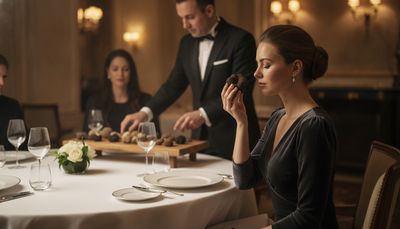
If you can talk confidently about Tuber melanosporum and Tuber magnatum at an exclusive date or business dinner, you show real culinary expertise. A truffle tasting is one of the most refined gourmet experiences you can discover as a sugarbaby, and not just because of the impressive prices of up to $9,900 per kilogram (about $4,500 per pound) for white Alba truffles. Combining a truffle hunt in the morning with a fine dining experience afterward makes you a sought-after companion at upscale culinary events.
In this guide you'll learn everything about professional truffle hunting, the art of tasting, and how to use this exclusive knowledge strategically for your career as a model and sugarbaby. The right balance between enjoyment and expertise opens doors to gourmet events where you can make valuable connections.
From Truffle Hunt to Plate: The Journey of the Prized Tuber
Truffle hunting has worked on a tried-and-tested principle since the 15th century: specially trained Lagotto Romagnolo dogs sniff out the fungi growing underground. In Piedmont, the white truffle season begins on September 21 and traditionally ends on January 31. Professional truffle hunters, known as trifolau, usually start their outings between 5 and 7 a.m., when the soil moisture is ideal and the truffle's scent rises more intensely.
A professional truffle hunt follows precise steps. First, the trifolau chooses an area with oaks, hazel trees or poplars, since truffles live in symbiosis with the roots of these trees. The dog systematically sweeps the terrain until it marks a spot. The soil is carefully removed with a vanghetto, a special truffle spade, and damaged truffles can lose up to 40 percent of their value.
On truffle experiences for guests, this process is usually demonstrated over 90 to 120 minutes. Providers such as Tartuflanghe in Alba organize guided hunts starting at around $200 per person. The truffles that are found are inspected on the spot and their market value is estimated, a fascinating lesson for any food lover. Just like with champagne pairing, the same applies here: authentic knowledge impresses more than superficial familiarity.
The Art of Truffle Tasting: Sensory Skills and Technique
A professional truffle tasting follows clear sensory rules. First, the outer texture, the peridium, is examined. On black Périgord truffles it should be dark and firm, on white Alba truffles yellowish-beige with reddish patches. The inner marbling, the gleba, reveals ripeness and quality.
The aroma develops most intensely at room temperature, between 64 and 68 degrees Fahrenheit (18 to 20 degrees Celsius). White truffles give off notes of garlic, hay and honey, while black truffles show earthy, nutty and chocolatey aromas. Experts advise holding your nose about 1 to 2 inches (3 to 5 centimeters) above the freshly cut truffle and taking three short breaths. That way you capture the whole range of aromas before your receptors quickly adapt.
The taste test ideally takes place on neutral carriers. High-end restaurants such as Piazza Duomo in Alba first serve truffle on warm tagliolini with butter, because the warmth activates the more than 50 volatile aroma compounds. The truffle is shaved into paper-thin slices right at the table with a truffle slicer, using about 8 to 12 grams per portion.
The Most Important Truffle Varieties and Their Profiles
For a well-informed truffle tasting, you should be able to tell these four main varieties apart. Tuber magnatum, the white Alba truffle, is considered the king of truffles, with prices between $3,300 and $9,900 per kilogram. It is used exclusively raw and never heated. Tuber melanosporum, the black Périgord truffle, costs between $880 and $2,200 per kilogram and tolerates gentle heating.
The summer truffle Tuber aestivum fetches $330 to $660 per kilogram and has a milder, nutty aroma. The Burgundy truffle Tuber uncinatum, an autumn variant of the summer truffle, is harvested between September and December and shows more intense aromas. Knowing these differences is just as valuable on upscale culinary dates as the right body language at an exclusive dinner.
Truffles and Fine Dining: Perfect Combinations
Michelin-starred chefs combine truffles according to precise culinary principles. The rule of thumb: white truffles need minimal accompaniment, while black truffles can handle bolder partners. The restaurant Enoteca Pinchiorri in Florence classically serves white truffles with fonduta, a Piedmontese cheese sauce made from Fontina, on a plate warmed to 62 degrees Celsius (144 degrees Fahrenheit) so the truffle aromas rise optimally.
Black Périgord truffles pair excellently with game dishes, foie gras or strong cheeses such as Comté. The three-star restaurant Le Louis XV in Monaco combines black truffles with braised oxtail and celery purée. Wine pairing follows clear rules: white truffles go with Nebbiolo-based wines such as Barolo or Barbaresco, black truffles with mature Burgundy or Châteauneuf-du-Pape.
At a truffle tasting in an upscale restaurant, you can usually expect a multi-course menu. A typical arrangement starts with a truffle amuse-bouche, followed by truffle risotto, pasta with truffle, a main course with a truffle accent and possibly truffle ice cream to finish. Between 5 and 15 grams of truffle are used per course, which adds up to 40 to 75 grams per person on a five-course menu.
Where to Find Exclusive Truffle Experiences
The most renowned truffle destinations are concentrated in a few European regions. Alba in Piedmont hosts the annual Fiera Internazionale del Tartufo Bianco, the International White Truffle Fair, which in 2024 runs from October 12 to December 8. Here you can join guided truffle hunts and then taste truffles in Michelin-starred restaurants such as Enrico Crippa's Piazza Duomo.
In France's Périgord region, the Maison de la Truffe in Sorges offers truffle experiences all year round. From January to March the focus is on black truffles, and in summer the search is for summer truffles. The combination of museum, truffle orchard and tasting room makes the experience especially educational. Much like distillery tours, it combines learning with enjoyment.
In Germany, the area around Hildesheim is establishing itself as a truffle region. The Deutsche Trüffelakademie (German Truffle Academy) organizes hunting courses and tastings between May and January. A one-day workshop costs about $240 and includes a truffle hunt, an identification course and a truffle menu afterward. For sugarbabes who regularly attend upscale events, investing in solid truffle knowledge pays off.
Buying and Storing Truffles the Right Way
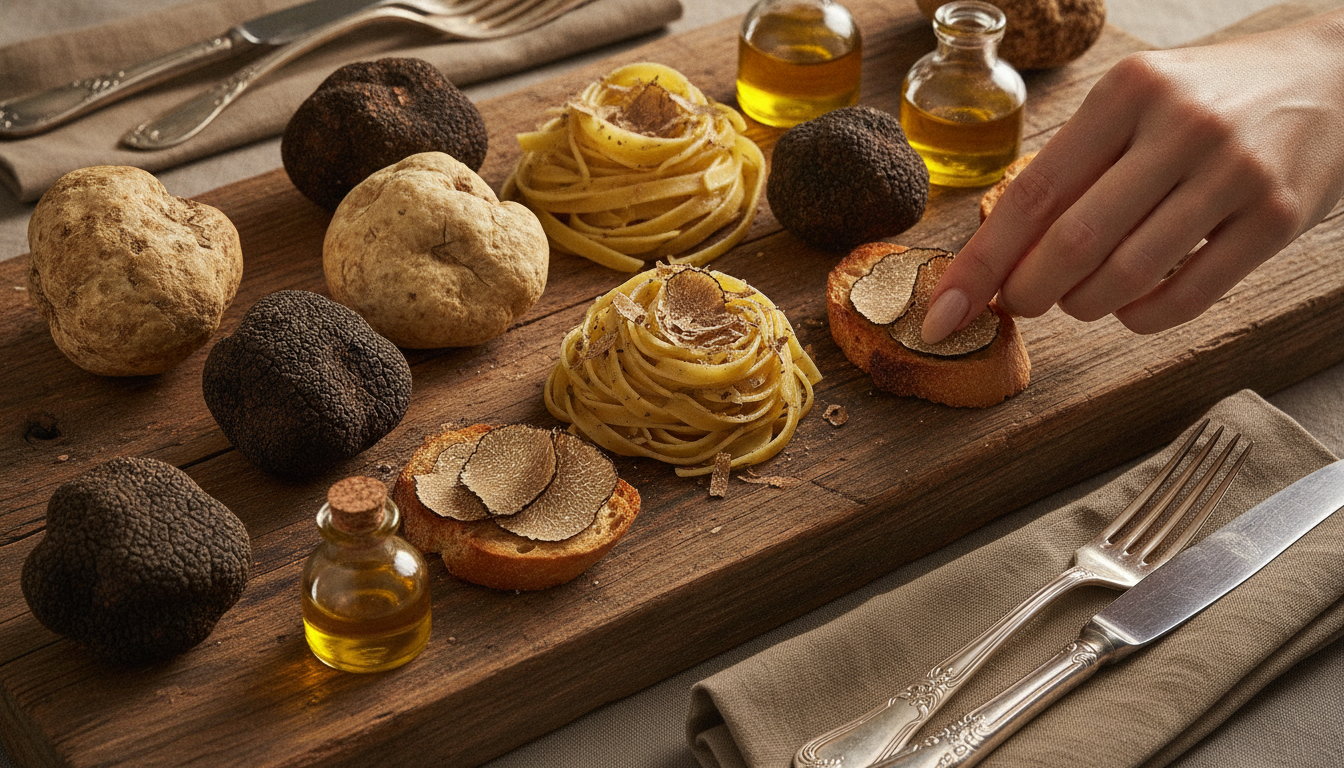
When buying truffles, freshness determines quality and price. You can recognize fresh truffles by their firmness: they shouldn't give way when pressed. The aroma must be intense and characteristic, never musty or smelling of ammonia. Reputable dealers such as Urbani Tartufi or Sabatino Tartufi provide proof of origin and precise weights.
The best storage is in an airtight glass container in the refrigerator at 35 to 39 degrees Fahrenheit (2 to 4 degrees Celsius). Wrap the truffles in slightly damp paper towel, which needs to be changed daily. White truffles keep for 7 to 10 days at most, black truffles for up to 14 days. A trick from professional chefs: store the truffles in the container together with raw eggs. The eggs absorb the truffle aroma and are perfect for truffle scrambled eggs.
Dried or preserved truffles never reach the quality of fresh ones, but can be used for truffle oil or truffle butter. With truffle products, check the actual truffle content: high-quality truffle oils contain at least 5 percent real truffle, not just artificial flavoring. According to a 2019 study by the University of Bologna, over 70 percent of commercial truffle oils contain synthetic bis(methylthio)methane instead of real truffle.
Using Truffle Knowledge Strategically on Upscale Dates
As a sugarbaby with solid truffle knowledge, you position yourself in a league of upscale culinary expertise. On a date at a Michelin-starred restaurant, you can ask targeted questions about where the truffles come from or make subtle remarks about quality. This shows expertise without coming across as preachy. The key is the right balance between knowledge and restraint.
Suggest truffle experiences as a date option yourself. An autumn weekend in Piedmont with a truffle hunt and a gala dinner during the Alba truffle fair shows that you appreciate sophisticated and extraordinary experiences. Initiatives like this set you apart from others and demonstrate cultural curiosity. The combination of an outdoor activity in the morning and fine dining in the evening appeals especially to successful men.
Use your truffle knowledge for small talk at business events or charity galas, too. An anecdote about the largest white truffle ever found, 1.89 kilograms in Tuscany in 2014, or knowledge about the symbiosis between truffles and tree roots makes you an interesting conversation partner. Just like with wine tasting, the same applies: genuine interest is more attractive than half-knowledge picked up from reading.
Investing in Truffle Expertise: Courses and Certificates
Various institutions in Europe offer professional truffle training. The Federazione Nazionale Trifolao in Italy organizes multi-day courses in Alba that end with a certificate. Costs are about $500 to $660 for a three-day intensive program. You learn truffle botany, hunting training with dogs, identification and culinary use.
In France, the École de la Truffe in Cahors offers specialized courses for restaurateurs and food lovers. The two-week summer program costs around $1,300 and also covers truffle cultivation and marketing. For sugarbabes who want to establish themselves long-term in upscale gastronomy or the events industry, an investment like this makes strategic sense.
Alternatively, you can attend shorter workshops. The restaurant Schwarzenstein in South Tyrol offers one-day masterclasses with Michelin-starred chef Andreas Hilber. For $420 per person you learn how truffles are used in haute cuisine and take part in a guided truffle hunt. Experiences like these fit perfectly into your modeling portfolio or your sugarbaby bio and show versatility.
The Business Side: Truffles as a Networking Tool
Truffle events attract an affluent crowd. The White Truffle World Auction in Alba regularly reaches bids of over $110,000 for single truffle lots. As a companion at events like this, you move in circles of successful entrepreneurs, collectors and restaurateurs. Taking part in the auction or the accompanying gala dinner costs between $550 and $2,200 per person, and sugarbabes are often invited as guests.
Truffle tastings in private homes or exclusive clubs offer more intimate networking opportunities. In Munich, the Epicurean Club regularly organizes truffle dinners for a maximum of 20 people. Membership costs $2,750 a year and gives access to about 15 culinary events. As a sugarbaby with a real interest in gourmet food, you can find potential arrangements here in a relaxed but upscale atmosphere.
Use social media strategically for your truffle expertise. An Instagram post from a truffle hunt in Piedmont or a truffle tasting at a Michelin-starred restaurant positions you as a cultured, worldly personality. Authenticity matters here: only post about experiences you actually took part in. The combination of lifestyle content and expertise makes your profile interesting to upscale contacts.
Avoiding Common Truffle Tasting Mistakes
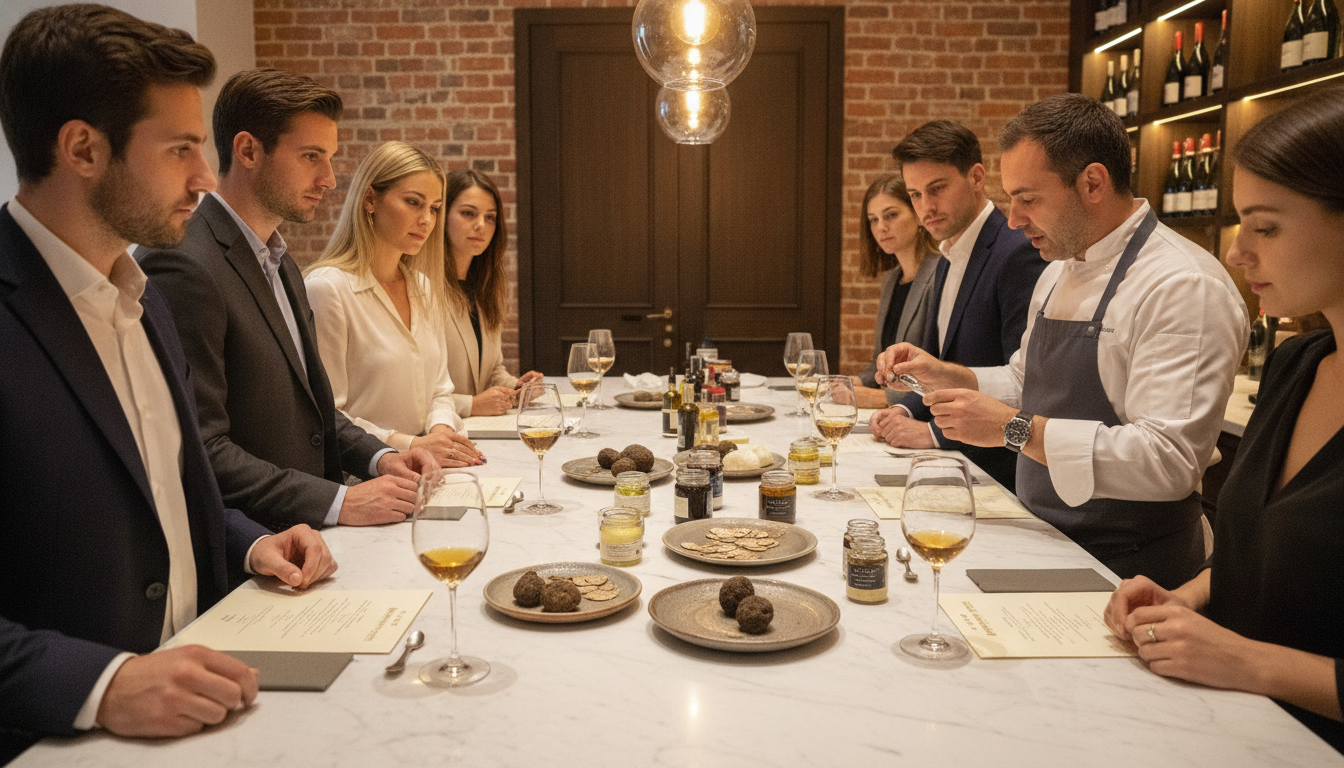
The biggest mistake in truffle tasting is too many extras. White truffles are never cooked or heavily seasoned, as that destroys the volatile aromas. At the restaurant Cracco in Milan in 2021, a guest was told off for wanting to add salt to his white truffle pasta, an absolute no-go for a $165 portion with 20 grams of Alba truffle.
Another common mistake is choosing the wrong wine. Heavily perfumed wines such as Gewürztraminer or strongly oak-aged Chardonnays overpower the delicate truffle aromas. Tannic red wines don't go with white truffle either. If you're unsure, choose an aged Pinot Blanc or ask the sommelier for a recommendation. It shows more style than a wrong choice of your own.
Avoid serving or tasting truffle too early in the menu. The intense aromas influence how you perceive the courses that follow. In upscale restaurants, truffle dishes are therefore usually served as the second or third course, never as dessert. Show your expertise by recognizing and appreciating these subtleties.
Practical Checklist for Your First Truffle Tasting
- Reserve truffle restaurants at least 2-3 weeks ahead during the main season between October and January, when availability and quality are at their best
- Allow 4-5 hours for a professional truffle hunt including tasting, and wear weatherproof, comfortable clothing for the outdoor part
- Avoid strong perfume or intensely scented hand cream on the day of the tasting, as they mask the delicate truffle aromas and impair your perception
- Find out beforehand about the region the truffles being served come from, and ask targeted questions about where they were found and how fresh they are
- Document the experience with discreet photos for your portfolio, but respect the restaurant's rules on photography during tableside preparation
- Budget between $200 and $440 per person for a multi-course truffle menu at a Michelin-starred restaurant, depending on the truffle variety and quantity
FAQ: The Most Important Questions About Truffle Tasting
How much does a professional truffle tasting with a hunt cost?
A combined truffle hunt with a tasting afterward costs between $200 and $385 per person in Italy. In Piedmont, prices during peak season in November are around $310 for a 4-5 hour program including a guided hunt and a 3-course menu. In France, budget $240 to $330, in Germany $200 to $275. Exclusive private arrangements with a Michelin-starred chef can cost up to $880 per person.
When is the best time of year for truffle hunting and tasting?
For white truffles, the best time is between October and December, with November as the peak. Black Périgord truffles are in season from December to March. Summer truffles are hunted from May to August. The Alba truffle fair takes place every year from mid-October to early December and offers the widest range of tasting opportunities, with over 100 participating restaurants.
Can I reliably judge truffle quality as a beginner?
With targeted preparation, you can recognize basic quality features after just 2-3 tastings. Look for a firm texture without soft spots, an intense characteristic aroma and even marbling on the inside. Avoid truffles with an earthy surface that can't be wiped off, or with a musty smell. Professional assessment does take years of experience, though. If you're unsure, rely on certified dealers or restaurant buyers.
Which truffle variety is best for beginners?
The Burgundy truffle Tuber uncinatum is ideal for beginners because it offers a balanced aroma between intensity and approachability. At prices between $440 and $880 per kilogram, it is more affordable than Alba truffles. Its nutty, earthy flavor is distinctive enough for a real truffle experience, but not as dominant as white truffle. Many Michelin-starred restaurants use Burgundy truffle in introductory menus.
How do I best prepare for a truffle date?
Research the origin and characteristics of the truffle variety being served in advance, but don't come across as a know-it-all. Read up on the restaurant's history and any truffle specialties of the head chef. Allow at least 2-3 hours for a truffle menu and don't arrive on a full stomach. Show interest through targeted questions to the sommelier or chef, but listen more than you talk. The right balance between knowledge and willingness to learn makes you the ideal companion for sophisticated culinary experiences.
Conclusion: Truffle Tasting as a Career Building Block for Sugarbabes
Combining truffle hunting and professional truffle tasting opens doors to an exclusive network of food lovers and successful business people. With solid knowledge of origin, quality features and culinary use, you position yourself as a cultured personality who brings real expertise, not just superficial lifestyle glamour.
Invest in at least one professional truffle hunt with a gourmet experience afterward during the main season. The experience pays off many times over: in conversations at upscale events, as a topic for interesting dates and as a building block of your personal brand as a sophisticated sugarbaby with depth. Truffle tasting combines a nature experience, culinary education and social networking in a unique way.
Start researching truffle events in your region now, or plan a weekend in Piedmont during the Alba truffle fair. Keep building your culinary expertise and put together a portfolio of upscale gourmet experiences. The combination of truffle knowledge, wine expertise and a feel for fine dining makes you a sought-after companion in the most exclusive circles, both professionally and personally.