Opera House Etiquette: How to Shine on Opening Night
Reading time: 8 minutes
Your date casually mentions the premiere of "La Traviata" at the State Opera - and your heart skips a beat. A night at the opera is not only culturally enriching, it's also the perfect stage to show stylish confidence. The right opera etiquette makes the difference between tagging along uncertainly and showing up with poise. This guide gives you every detail for an unforgettable opening night.
Whether it's the Vienna State Opera, the Semperoper in Dresden or the Bavarian State Opera in Munich - if you know the unwritten rules, you'll glide effortlessly through this elegant world. With the right preparation, your night at the opera becomes a real career investment, where you not only enjoy culture but also prove your class. In the US, the same principles apply at venues like the Metropolitan Opera or the Lyric Opera of Chicago.
Dress Code for an Opera Premiere: Between Elegance and Appropriateness
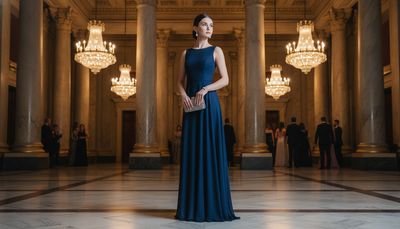
The dress code for an opera premiere differs clearly from regular performances. While "smart casual" is enough on ordinary evenings, the rule for opening night is: formal evening wear is a must. A floor-length cocktail dress or an elegant pantsuit combination is perfect.
Avoid overly flashy sequins or loudly rustling fabrics - they don't just disturb your neighbors, they also look overdressed. A simple black dress with statement jewelry is always the right choice. A capsule wardrobe helps you put together timeless classics that work for every night at the opera.
Shoes and Accessories for Opening Night
Choose shoes with a medium heel - you'll be standing more than you think. During intermission the audience moves between the lobby and the bar. Flat ballet flats look too casual, 5-inch (12 cm) stilettos are impractical. Elegant pumps with a 2.5 to 3 inch (6-8 cm) heel are ideal.
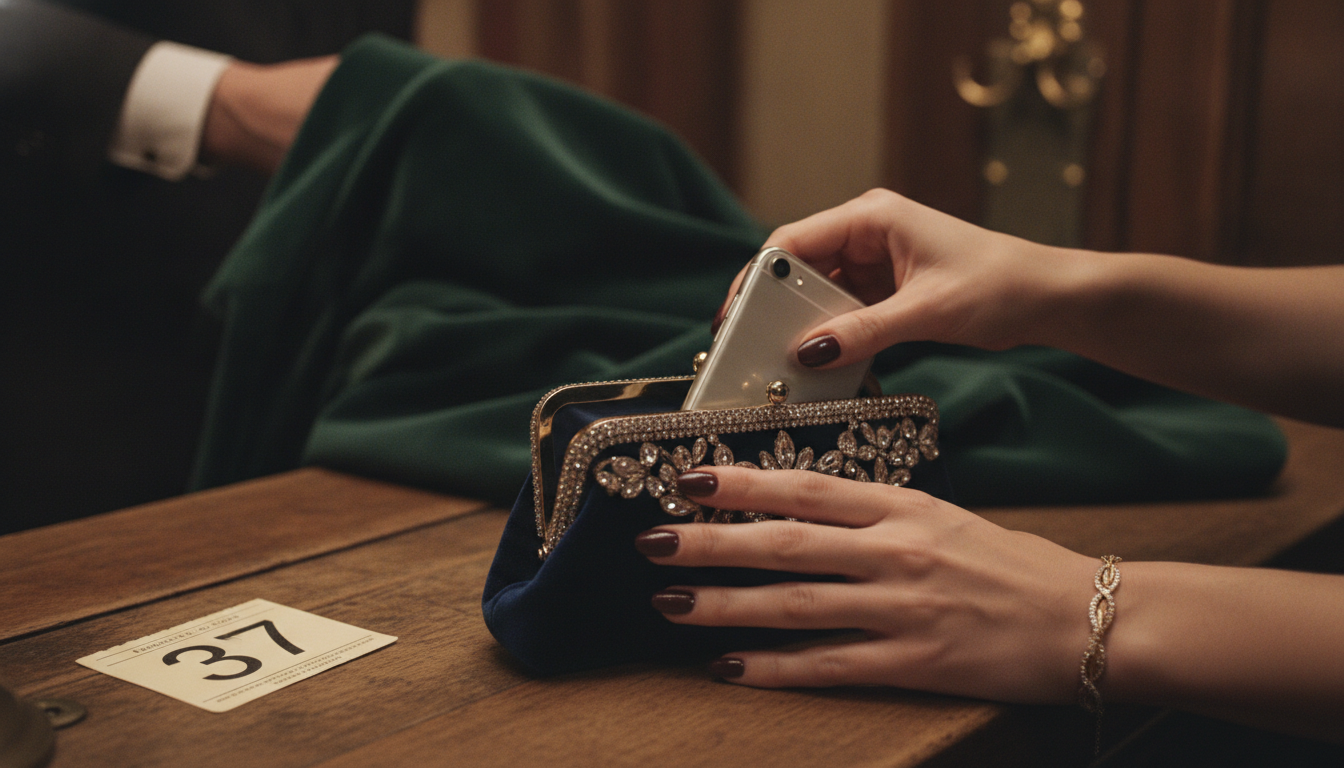
A small clutch is enough for lipstick, phone and opera glasses. Large handbags have to be checked at the coat check anyway. When it comes to choosing jewelry, less is more. One eye-catching piece per outfit is plenty.
Time Management and Arriving at the Opera House
Plan to arrive at least 45 minutes before the performance starts. That gives you time for the coat check, buying a program and a first look around the lobby. Arriving late is an absolute no-go in opera etiquette - latecomers are usually not admitted until the first intermission.
The Vienna State Opera generally opens its doors 60 minutes before the performance begins. Use this time to admire the magnificent architecture and settle in calmly. It shows respect for the artists and fellow guests.
Coat Check and First Orientation
Hand in your coat and larger bags at the coat check - this usually costs a fee of around $3-4. Keep only the essentials with you. Find out beforehand where your seats are. Orchestra, boxes or balcony have different entrances.
The program costs between about $9 and $17 and is especially worthwhile for complex operas. It contains the plot, the cast and often interesting background information. Show genuine interest - it's appreciated and helps you join the conversation.
Behavior During the Performance: The Most Important Rules
Once the lights dim, absolute silence prevails. Whispering, rustling candy wrappers or, worse, a ringing phone are serious violations of opera etiquette. Turn your smartphone completely off - not just on silent, but truly off. Even the glow of the screen disturbs the atmosphere enormously.
Applause comes only after arias or acts have fully ended. Never clap during the music, even if you're thrilled. At premieres, shouts of "Bravo" are common, but please only after the final chord. According to the Deutsche Oper Berlin, about 15 percent of visitors are reprimanded for disturbances each season.
Intermission and Lobby Etiquette
Intermission is for socializing and refreshments. Feel free to move around the lobby, but avoid loud laughter or hectic crowding. At the bar, normal rules of courtesy apply - no cutting in line, no excessive drinking.
Use the time for polished conversation about what you've seen. This is where you can shine with solid knowledge - or honestly admit when you didn't understand something. Authenticity beats showing off. The right body language signals openness and confidence along the way.
Preparation Is Everything: How to Prepare for the Content
Read the plot at least two days before the opera. Wikipedia offers compact summaries, but YouTube also has plenty of short videos on well-known operas. Understand the basic story - it makes the evening far more enjoyable.
Listen to the best-known arias in advance. For "La Traviata" these include "Libiamo ne' lieti calici" and "Addio del passato". Spotify and Apple Music have ready-made playlists with opera highlights. That way you'll recognize the high points during the performance.
Understanding the Cultural Background
Learn about the composer and the period in which the work was written. Giuseppe Verdi's works were created in the 19th century and often reflect social conflicts. This context makes for deeper conversations at intermission.
The Metropolitan Opera in New York offers free online guides to all of its productions. German opera houses also usually have extensive information on their websites. Invest 30 minutes of preparation time - it pays off.
After the Performance: A Confident Finish
Stay seated until the final curtain. Getting up early signals disinterest and is considered rude toward the artists. The closing applause is as much a part of opera etiquette as the overture.
For standing ovations, it's up to you whether you stand. It's not a must, but quite fitting for outstanding performances. Watch the audience - often the mood sets the tone.
Handling the Post-Show Conversation With Elegance
Express your opinion with nuance. Instead of "It was okay", say "The staging was bold, and I found the modern set design especially exciting". Show that you were paying attention. Also ask for your date's opinion - real exchange is more valuable than a monologue.
Many premieres end with a reception or an informal get-together. Similar rules apply here as at other exclusive events. Caviar etiquette at upscale receptions can help you here too.
Avoiding Common Beginner Mistakes at the Opera
The biggest mistake is arrogance or faked expertise. Nobody expects musicological analysis from you. Honest interest always beats expert knowledge. Admit it when you're a newcomer - it comes across as likeable.
Avoid looking at the program during the performance. The rustling is distracting, and so is the glow of your phone flashlight. Read beforehand or at intermission. Concentrate on the performance itself.
- Never take photos or videos during the performance - it's usually forbidden and extremely disruptive
- Don't put on strong perfumes - in enclosed spaces that quickly becomes unpleasant
- Don't leave the hall between acts - wait until the official intermission
- Don't bring strong food smells - small candies are okay, sandwiches are not
- Don't talk to your neighbors during the music - not even in a whisper
Developing the Right Attitude Toward a Night at the Opera
See the opera as an experience, not a test. Even opera pros discover something new at every performance. Your nervousness is normal and perfectly fine. Most visitors are friendly and helpful.
Opera is a living art form, not dusty tradition. Modern productions combine classical music with current themes. Open yourself up to it, even if some things feel unfamiliar. Opera etiquette exists to show appreciation, not to intimidate.
Mastering Special Premiere Situations

Premieres often attract celebrities and press. Expect photographers outside the entrance and elegantly dressed guests. Don't let it intimidate you - you belong just as much. Smile confidently and move with calm composure.
Some opera houses hold a sparkling wine reception before premieres for certain ticket categories. Find out beforehand whether your tickets entitle you to it. If so, use the opportunity for first conversations and networking.
More Cultural Etiquette for Your Lifestyle
Opera etiquette is part of a broader cultural competence. If you move confidently at the opera, you'll also shine at other upscale events. Combine this knowledge with other skills for a thoroughly elegant presence.
Besides operas, also attend ballet performances or classical concerts. Each event has its own nuances, but the basic rules remain similar. Your cultural education is an investment that pays off in the long run.
FAQ: Common Questions About Opera Etiquette
What do you wear to an opera premiere?
Formal evening wear is required for the premiere - an elegant cocktail dress, pantsuit or floor-length skirt with a stylish blouse. At regular performances smart casual is enough, but for opening night you should go for upscale elegance.
When do you applaud at the opera?
Applause comes only after arias have fully ended or at the end of an act, never while the music is playing. For especially successful performances, shouts of "Bravo" are common, but only after the last note. Applause in between interrupts the artistic atmosphere.
How early should I arrive at the opera house?
Plan on at least 45 minutes before the performance starts so you can handle the coat check, finding your seat and getting oriented without stress. Latecomers are usually admitted only at intermission, which is especially embarrassing at premieres.
Can I use my phone during the opera?
No, turn your smartphone completely off - not just on silent. Even the glow of the screen badly disturbs the atmosphere and is considered gross rudeness. Photos and videos are generally forbidden during the performance.
How do I prepare for a night at the opera?
Read the plot in advance, listen to well-known arias and learn about the composer and historical context. 30 minutes of preparation is enough to follow the story and join the conversation. It greatly increases your enjoyment.
Conclusion: Confidence Starts With Preparation
The right opera etiquette isn't rocket science, but a combination of respect, preparation and genuine interest. With these tips you'll move confidently through any premiere and leave a lasting impression. From dress code to timing to behavior during the performance - every detail counts.
Your first night at the opera will be unforgettable if you take these rules to heart. Combine your new knowledge with other cultural skills and build a versatile repertoire. Whether it's the opera, an art opening or an exclusive dinner - with the right preparation you'll shine in any situation.
Use the night at the opera as a chance to develop your personality further and discover new sides of yourself. Cultural education is an investment in yourself that pays off in every area of life. Start preparing now and experience your first opening night with confidence and style.